



Tait Video Solutions are currently offered in Asia Pacific and Europe.
Video evidence systems rarely operate in isolation. Body-worn cameras (BWCs) and digital evidence management systems (DEMS) are increasingly part of broader operations that support frontline workers, supervisors, investigations, compliance teams, and command centers.
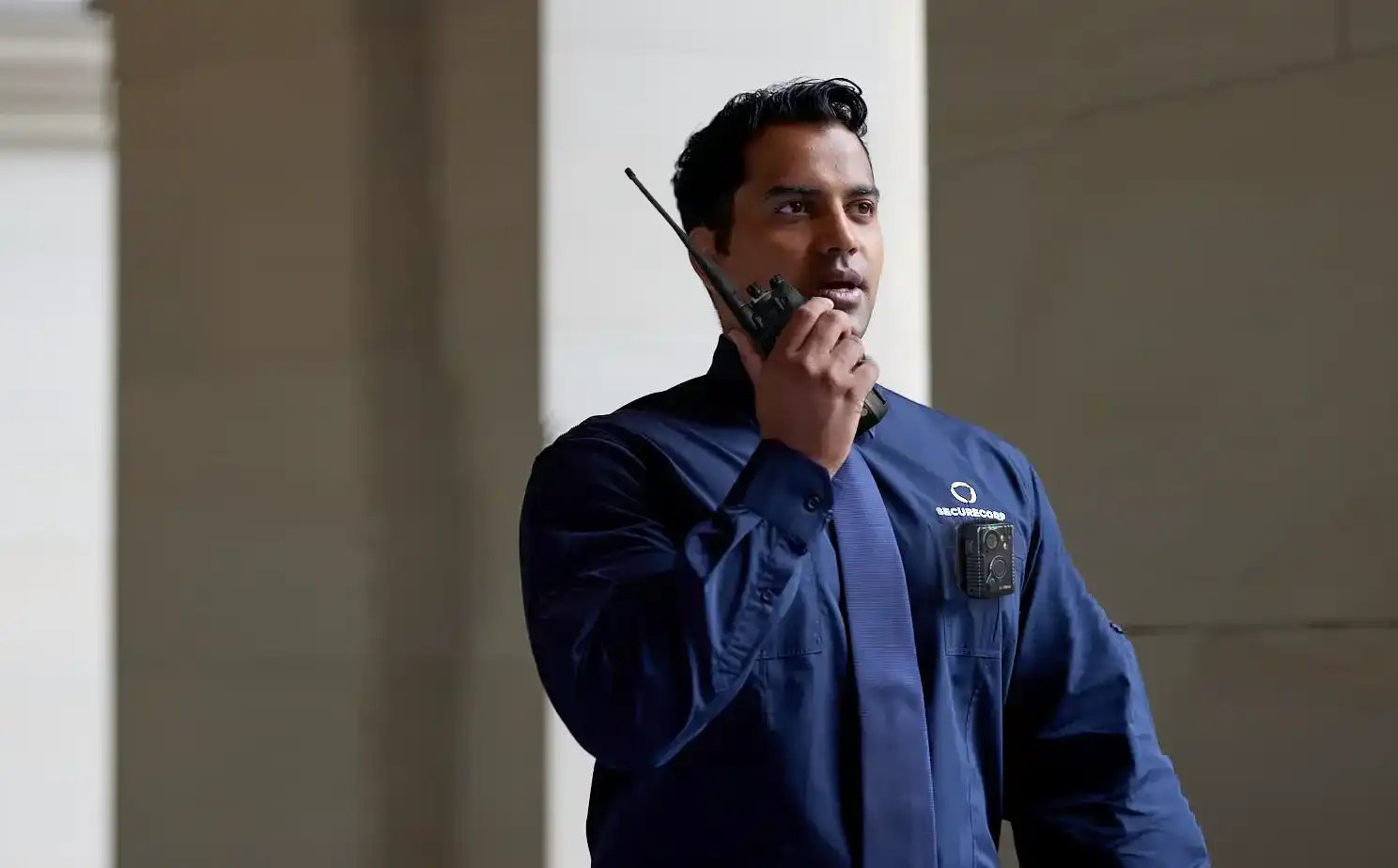
A typical operational workflow can begin with a frontline worker being dispatched via a Computer-Aided Dispatch (CAD) platform. Upon arrival, the worker may activate their BWC and begin live-streaming footage back to a supervisor. Those supervisors may use both live BWC streams and CCTV feeds together with a Video Management System (VMS) to coordinate resources, monitor risk, and support teams on the ground with real-time decision-making.
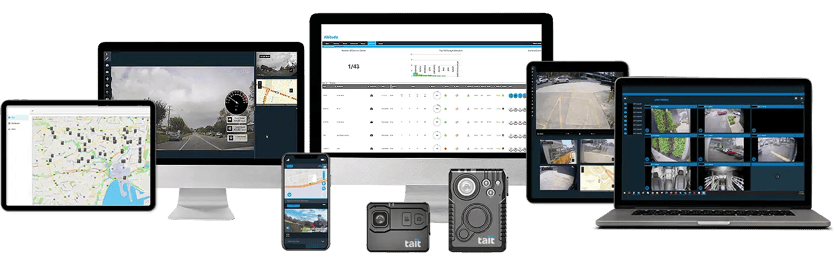
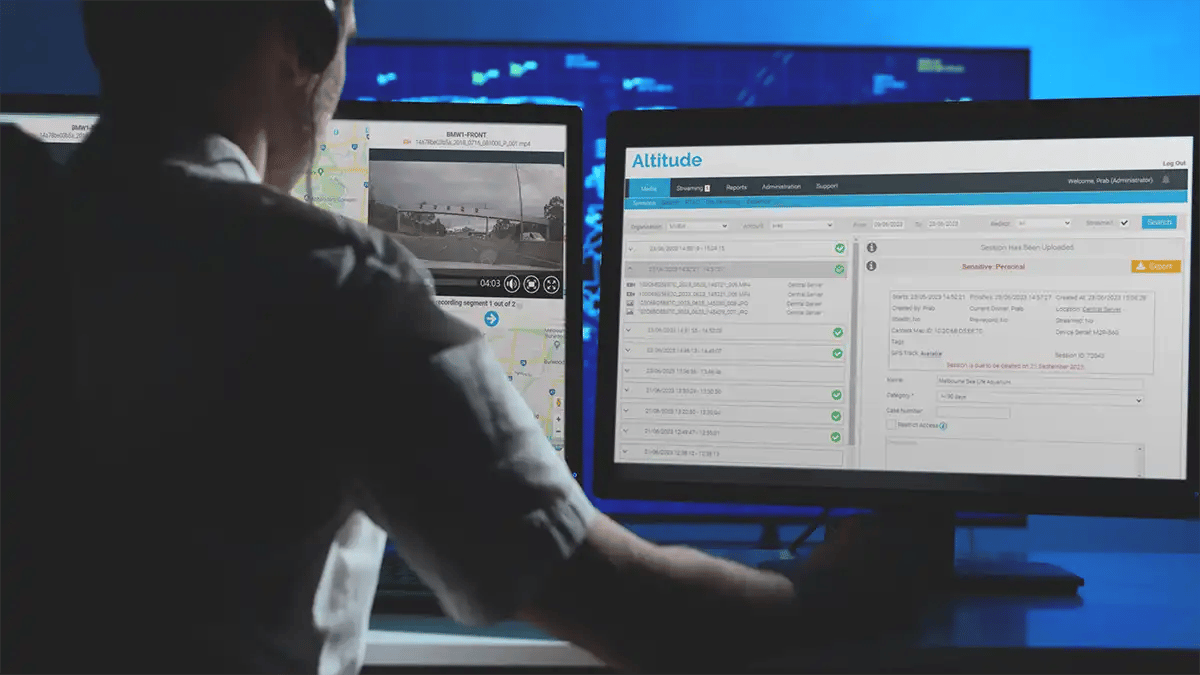
Following an incident, video footage is often combined with written reports, photographs, sketches, dispatch logs, witness statements, and other operational records within a Records Management System (RMS).
While BWCs can still be deployed as isolated solutions, many organizations now require systems capable of integrating with existing operational infrastructure and future technologies as requirements evolve.
This is where system architecture becomes vital.
The design of a video evidence system determines how easily organizations can integrate technologies, scale deployments, introduce new capabilities, manage data flows, and adapt to changing operational environments.
Open vs. closed: what is the difference when it comes to video evidence systems?
At a high level, the difference is simple: An open system allows for the free flow of video data regardless of source whereas a closed system limits the flow of video data to only one vendor’s applications.
What is a closed video evidence system?
In a closed video evidence environment, a single vendor typically provides the hardware, software, and storage platform.
Proprietary protocols govern how information is stored, shared, and exchanged, potentially limiting how easily third-party technologies can be incorporated into the environment.
What is an open video evidence system?
Open systems take a different approach.
Using APIs and open interfaces, they allow video evidence to integrate with technologies from multiple vendors, including CAD systems, handheld devices, CCTV and video management systems (VMS), security monitoring platforms, and other operational tools.
This creates a more connected environment where video evidence can become part of broader operational workflows rather than remaining isolated inside a single platform.
While both approaches can support video capture and evidence management, the differences become more apparent as operational environments become more complex.
The hidden risks of a closed architecture
Closed video evidence systems can be appealing for the simplified deployment they offer. And for organizations with minimal integration requirements, a closed ecosystem may be an appropriate choice.
However, for organizations that are likely to grow over time, expand into new regions, adopt new technologies, or face evolving compliance obligations, the limitations of a closed video evidence systems become increasingly important to consider.
As Rav Brar, Development Product Manager for Tait Video Solutions says, “When video systems are closed or difficult to integrate, they add to fragmentation and operational friction rather than solving it.”
Risk 1: Limited integration and interoperability
Because proprietary protocols often govern how data is stored, shared, and integrated, organizations may face restricted portability when attempting to connect operational systems like CAD, RMS, VMS, or third-party applications. This is what often creates operational silos where video evidence remains constrained within a single ecosystem rather than flowing freely across existing workflows.
Risk 2: Vendor lock-in
Vendor lock-in and long-term contractual dependencies are common following deployments. This occurs when an organization’s needs change, but the system their data is stored in restricts their options to meet those changing needs. This may be because of contractual obligations or the complexity of data migration. In some cases, the vendor may not even allow for the data to be migrated.
Risk 3: Lack of data portability
In closed environments, proprietary data structures and limited export capabilities can make migration difficult. These constraints may not be obvious during procurement, but they can become significant if operational requirements change or organizations need to integrate new technologies in the future.
Risk 4: Future technology constraints
Architectural limitations are not always visible during procurement. Many only emerge later when organizations attempt to introduce new technologies, connect new systems, expand operations, or support additional workflows.
Vendor dependency often creates operational and procurement challenges over time. A 2025 Boston Consulting Group study of 500 global IT decision-makers found that 62% were concerned about the negative impacts of vendor lock-in, including restricted flexibility, switching complexities, and loss of control over their technology environments.
Adaptability in practice
Open systems are designed to adapt alongside operational environments rather than requiring organizations to rebuild workflows around the technology itself. As operational requirements evolve, that flexibility can become increasingly important.
Benefit 1: Supporting existing investments
Most organizations already operate a mix of technologies that support frontline operations, investigations, compliance, and reporting.
Open architectures allow video evidence to be integrated into existing environments rather than requiring organizations to replace dispatch systems, records platforms, CCTV infrastructure, or other operational technologies. This enables organizations to build on previous investments while introducing new capabilities over time.
Benefit 2: Scaling as requirements evolve
Organizations may expand across regions, introduce new workflows, implement additional compliance controls, or adopt emerging technologies such as analytics and automation. Open architectures support this evolution by enabling organizations to integrate technologies, manage data flows, and introduce new capabilities as requirements change.
Benefit 3: Reducing long-term dependency
Open systems also reduce reliance on a single vendor. Open APIs, standardized interfaces, and interoperable data models help improve portability and reduce vendor lock-in. This becomes particularly important as evidence volumes grow. Organizations should be able to grow and adapt their environments over time without disrupting operations or replacing entire technology stacks.
The challenge is that architectural limitations are not always visible during a product demonstration or procurement exercise. Many only emerge later as operational requirements change. That's why technical buyers need to look beyond feature lists and examine how the platform is designed.
Six questions every technical buyer should ask
The openness of a platform is not always obvious from a product brochure. Before committing to a video evidence system, technical buyers should dig deeper with these six questions.
Question 1: Can it integrate with what you already use?
Video systems don’t need to be siloed. They can be connected to your existing systems, whether that’s incident management, records, or reporting tools. It’s important to consider your current and future technology platforms. If integration feels difficult now, it will only become harder over time.
Question 2 : Can it adapt to your regional requirements?
Your requirements today may not look the same in the future. An effective system should be able to support diverse teams, varied locations, and evolving regulatory environments without requiring the rebuilding or invalidation of existing technologies.
Question 3: How will implementing this system impact your day-to-day operations?
The system should support the needs of multiple stakeholders.
Frontline workers need reliable workflows. Supervisors need visibility and control. Legal and compliance teams need secure, auditable, court-ready evidence supported by retention controls, chain-of-custody protection, and redaction capabilities.
Question 4: What is the total cost of ownership?
The upfront cost is only one part of the picture. Some other factors that can add up over time include:
-
Storage needs as data volume grows
-
Licensing requirements as users increase
-
Integration costs for existing and future technology choices
-
The costs involved with switching later
Question 5: How can this system adapt to future requirements?
Video is changing quickly, with new features like AI, automation, and actionable analytics coming online. The real test is whether the system can support them or restrict what can be integrated.
Question 6: Can openness be demonstrated, not simply declared?
Many suppliers describe their solutions as open, but it’s important to ask how they can verify that openness.
Technical buyers should look for evidence such as:
-
Documented RESTful APIs, webhooks and event interfaces
-
Federated identity and access standards, including SAML 2.0, OAuth 2.0 and OpenID Connect
-
Streaming protocols such as RTSP and WebRTC
-
Widely supported media technologies, including MP4, H.264, H.265, AAC and JPEG
-
Machine-readable formats for exchanging evidence metadata, audit history, timestamps and integrity information
Supporting a standard does not necessarily guarantee interoperability. Buyers should verify the supported versions, implementation scope, documentation, licensing and ability to exchange complete evidence packages without proprietary conversion or loss of metadata.
Build for flexibility, not just functionality
Video evidence systems now support investigations, compliance, accountability, training, operational awareness, and decision-making across entire organizations. As their role expands, the architecture behind the system becomes increasingly important.
As video evidence becomes more deeply embedded in operational infrastructure, architectural decisions made during procurement can have long-term implications for flexibility, integration, and future scalability. Open architectures help organizations adapt as operational requirements evolve rather than forcing future decisions around the limitations of a platform.
Want more details about how system architecture affects scalability, integration, compliance, and long-term operational flexibility?
Download The Role of Adaptability in Video Evidence Systems white paper
COMMENTS