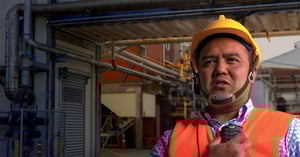



Across public safety, transport, utilities, mining, education, manufacturing and many professional operations the need for rapid and reliable communications is continually increasing. Globally, people are more worried about risks in their day-to-day environment than ever with the World Risk Poll from the Lloyd Register Foundation highlighting the top concerns as traffic accidents, severe weather events and the experience of harm.
In critical moments, seconds count. A delay in communications caused by simply reaching for a radio could have disastrous consequences putting people, operations and outcomes at risk. Communications equipment must be a benefit not a burden, ensuring users respond rapidly.
What a remote speaker microphone does, and why it’s not just a nice-to-have
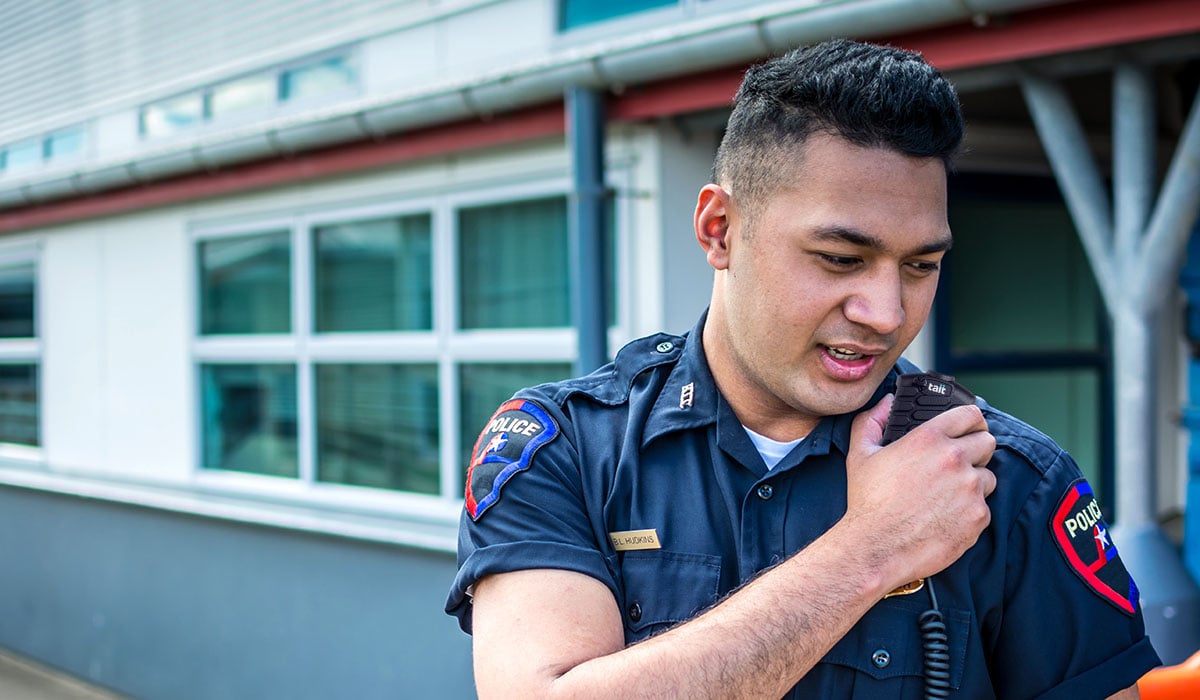
A remote speaker microphone (RSM) is the time-critical connector to a user’s portable radio. Attached to the chest or shoulder, they allow users to:
- Communicate without reaching for the radio
- Keep eyes up and hands on the job
- Move confidently in critical moments
In critical moments, mitigating unnecessary motion can mean the difference between smooth operations and detrimental delay.
Why it’s not just a nice-to-have for rail environments
Rail operations follow second-to-second procedures, such as shunting (a critical operation). During shunting staff must deliver the “all clear” within a 10-second timeframe. RSMs ensure these time-critical procedures go to plan, making rail operations safer and more efficient.
Why it’s not just a nice-to-have for fireground environments
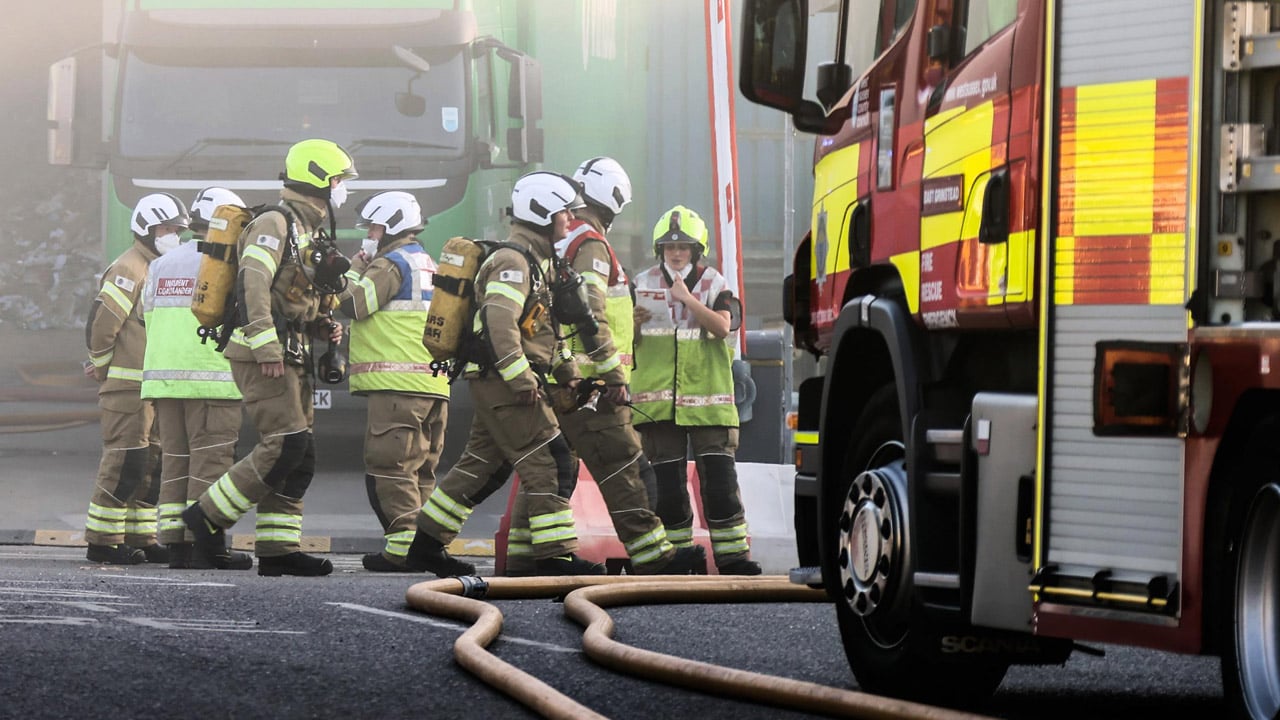
Time is never not critical in fireground environments, it is paramount for firefighters to focus on the task at hand and RSMs ensure they do just that. A glove-friendly RSM can greatly enhance a user's experience, especially when it's configured to work cohesively with other equipment such as the firefighter’s breathing apparatus. Tait customer West Sussex Fire and Rescue Service equips their team with Savox C-C550 RSMs that are part of an ergonomic communications equipment solution, enabling effective use with gloved hands and enhanced user safety.
How to choose the right RSM: Let your environment guide the way
To select the right RSM you must know where and how your crew works in their environment, with most environments falling into four duty levels:
- Ultra-heavy duty: Extremely high-risk operations like fireground missions
- Heavy duty: Harsh and high-risk outdoor or industrial operations
- Standard duty: Everyday operations that require reliable audio
- Light duty: Roles that are low risk with light communication loads
Use the questions below as a quick guide to assess the needs of your team:
How tough is your environment?
- What elements are your team going to come up against? Will they be dealing with rain, dust, heat, cold, knocks or rough handling?
- The heavier the duty of the RSM, the more durable and tough it will be at handling anything your environment throws at your team
How loud is your environment?
Machinery, traffic, crowds or the every-day activities of a building site may require:- Audio with a high output
- Noise reduction
- A combination of a headset or earpiece and an RSM for extremely loud conditions
Do you have any safety or compliance requirements?
Many critical industries require their equipment to meet certain requirements to ensure worker safety such as:- High IP ratings for dust and water
- Flammability and high-temperature certifications
How will your RSM work with your team's equipment?
Pay attention to ergonomic details, the smallest adjustment can save your team seconds, consider:- PPE and glove use
- Clip placement
- Button size and feel
- Cable length and flexibility
- Radio model capability
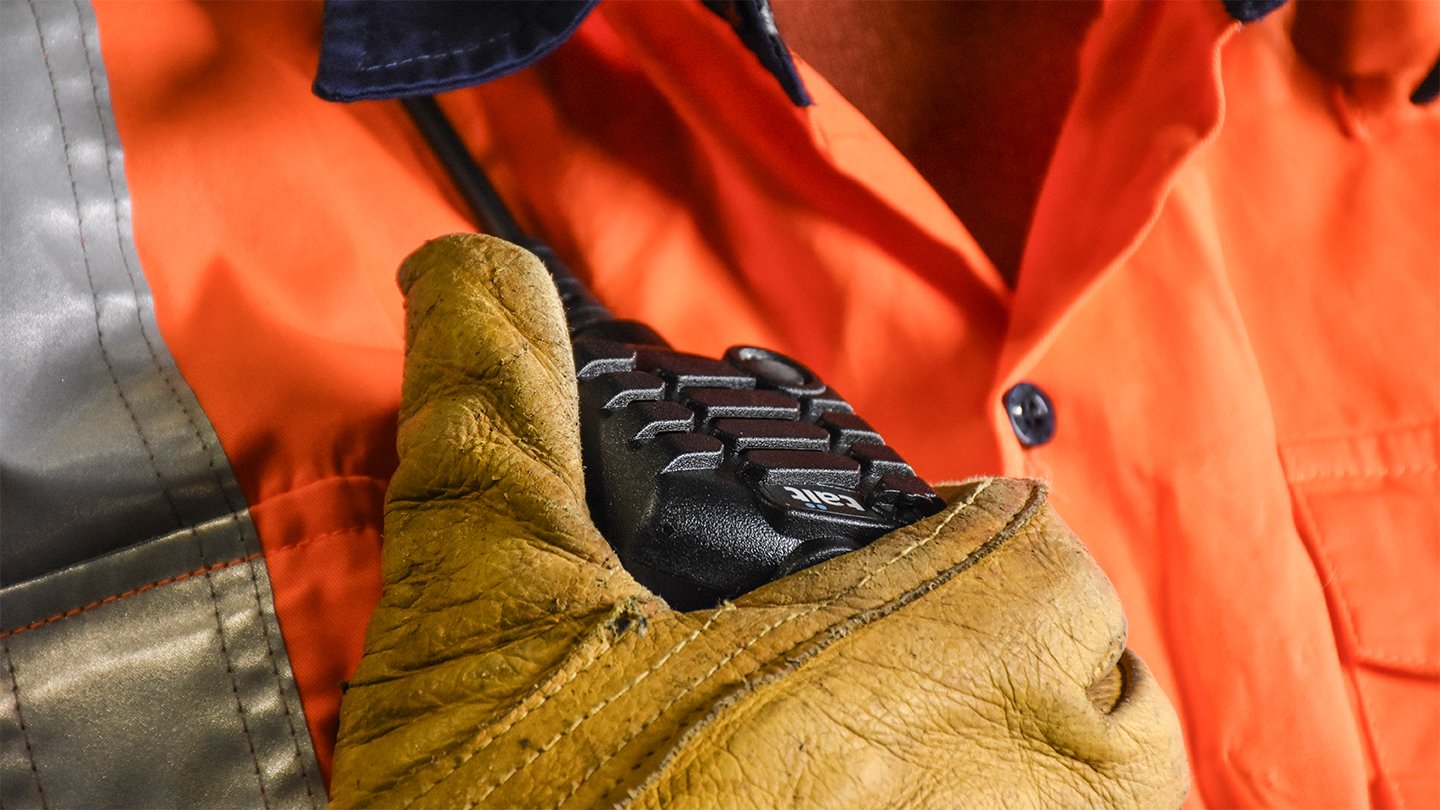
After you’ve assessed your teams' requirements for a new RSM, it is time to find out which RSM meets these needs.
Which Tait RSM is the right choice for your mission?
Savox C-C550
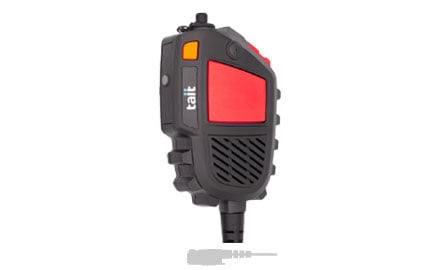
Best for:
- Ultra-heavy duty, fireground and tactical operations
Features fit for the environment:
- Flammability rating UL 94 V-0
- High temperature version (500°F (260°C) for 5 minutes)
- 2 x PTT buttons, top and front
- 360° rotating clip
TSM4

Best for:
- Heavy duty, public safety, emergency services, mining, transport, utilities oil and gas workers in field
Features fit for the environment:
- IP68 dust-proof and water-immersible
- Glove-friendly emergency/function button
- Now with a large PTT button option for glove use
- Speaker 3W nominal, 6W maximum
- 360° rotating clip
TSM3e
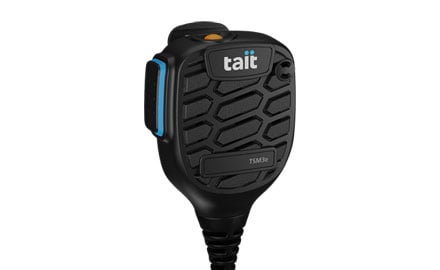
Best for:
- Standard duty, in everyday environments where performance matters
Features fit for the environment:
- IP67 rated
- Heavy duty 1.5m cable
- Speaker: 2W
- PTT button
TSM3
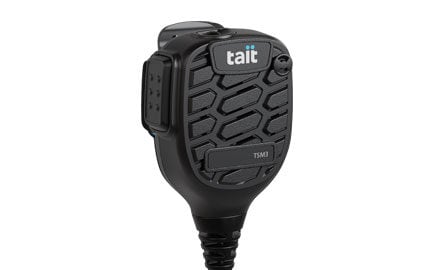
Best for:
- Light duty, security, transport and support roles with lower comms load
Features fit for the environment:
- IP67 rated
- Lightweight 0.8m cable
- Speaker: 1W
- PTT button
Some RSMs have optional earpiece or headset plugins to increase call privacy, clarity and ease of use. Your RSM can be serviced by Tait or an authorized dealer, with replacement parts available to ensure longevity of equipment. For the full specifications of each option, including headset compatibility and replacement parts, check out Tait’s Find your Accessories page.
Benefits of RSMs beyond time-saving communications
Choosing the correct RSM can have many benefits including:
- Enhanced communication clarity
- Increased user safety and awareness
- Faster reaction time
- Longer equipment lifespan
- Improved total cost of ownership
Accessories might be small, but they have a big impact, especially in time-critical situations that demand rapid and effective response times. Selecting the right RSM today ensures your team is ready for tomorrow’s challenges.
Need help selecting the best fit for your team?
COMMENTS